Objective
Women across rural Tanzania face persistent economic exclusion, limited access to income-generating opportunities, and high dependency on informal or unstable livelihoods. These challenges are particularly acute in resettlement areas, where communities must rebuild their lives under new and often difficult conditions.
The Women’s Economic Initiative – Phase 2 aims to strengthen women’s economic self-reliance by transitioning from short-term skills training to a structured, community-led income model. Building on the pilot phase carried out in Msomera village, this next phase focuses on supporting women to organise collectively, improve production capacity, and begin accessing local markets through a cooperative framework.
This phase is designed to move beyond training alone and lay the foundation for sustainable livelihoods, allowing women to generate income, support their households, and invest in their children’s education.
Women’s Economic Challenges in Rural Tanzania
In many rural communities, women have limited control over income and few opportunities to engage in paid economic activities. Following voluntary relocation from the Ngorongoro Conservation Area, Maasai women in Msomera faced additional pressure: loss of traditional livelihoods, scarce employment options, and increased household dependency.
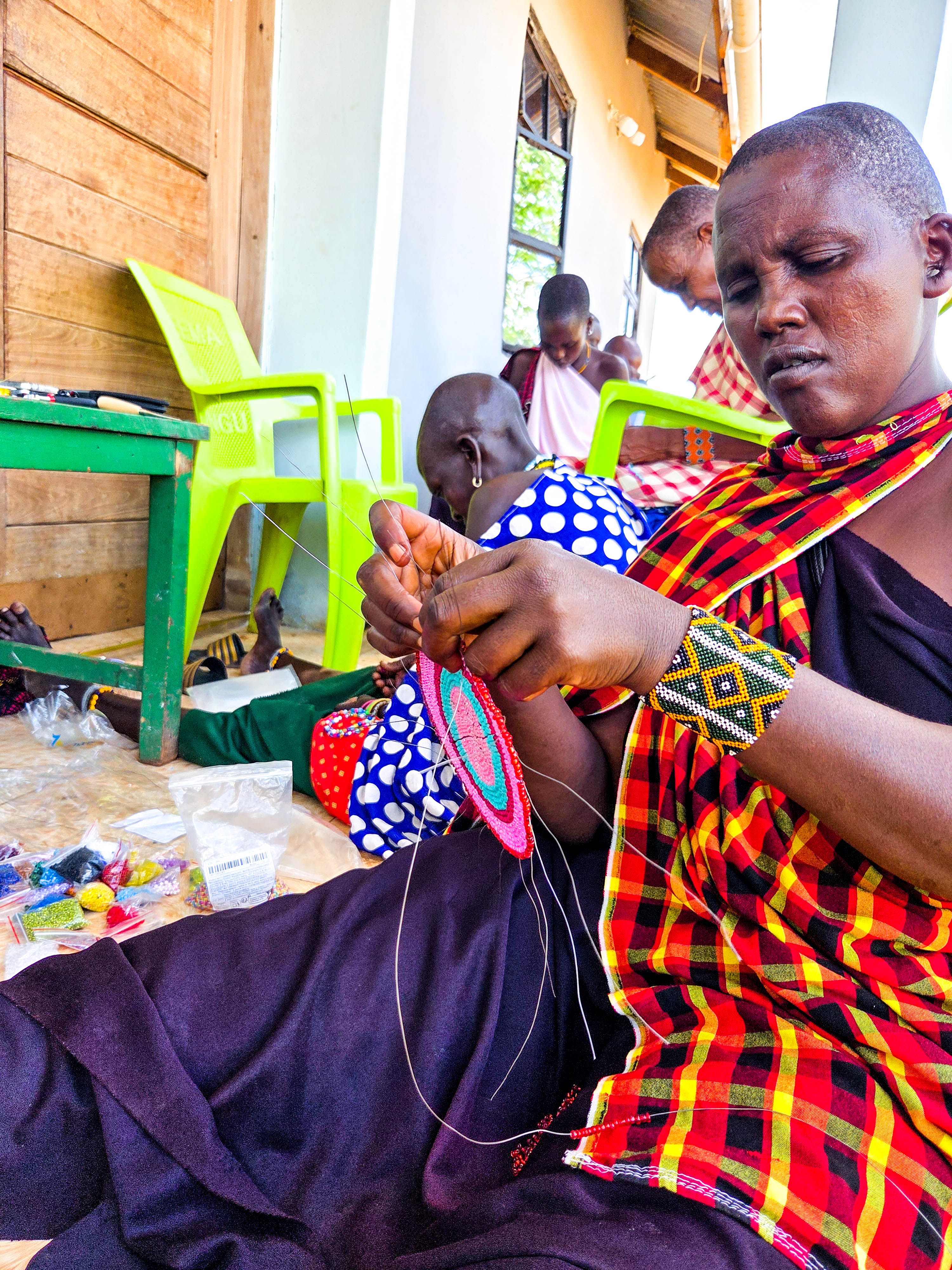
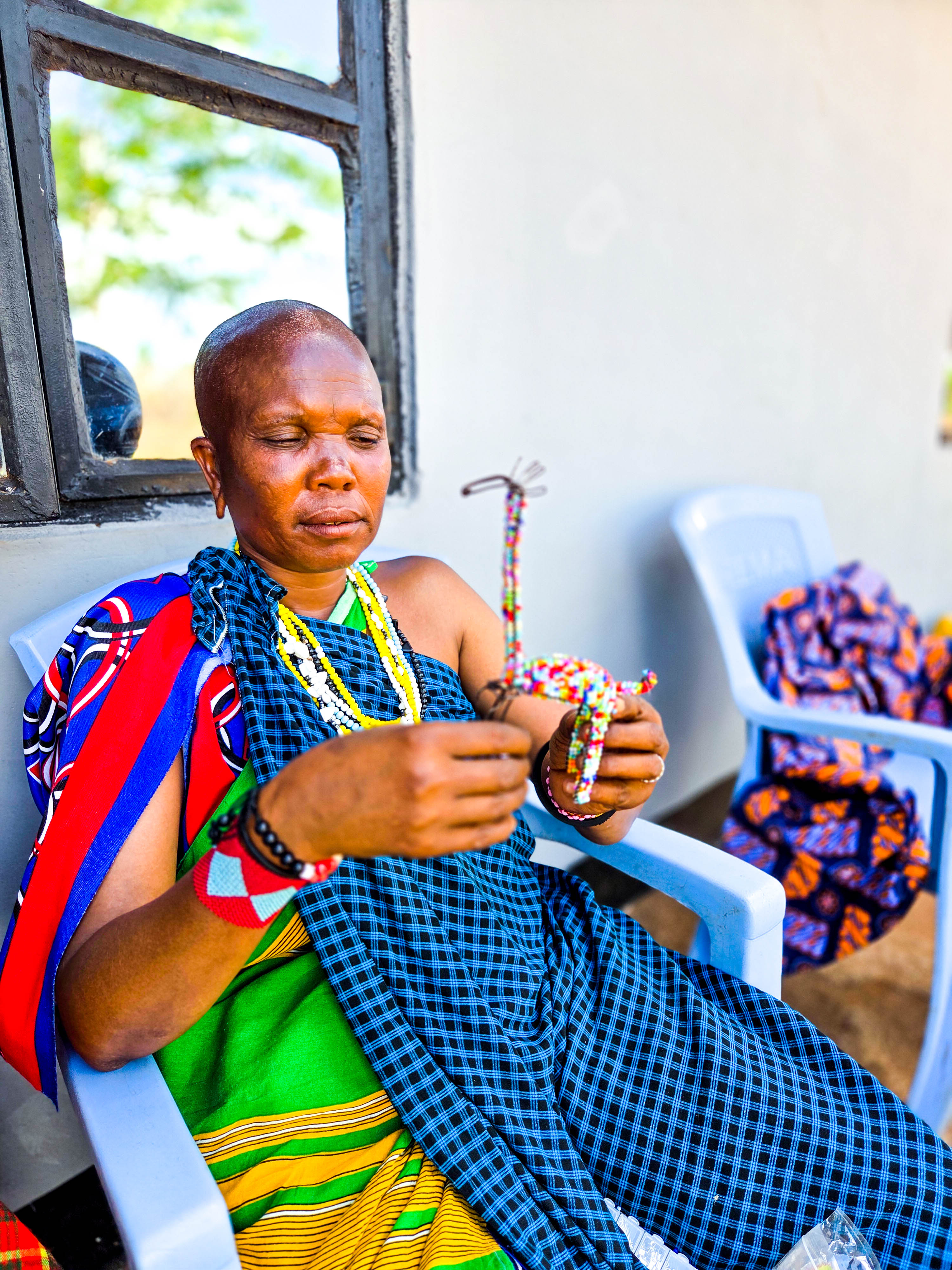
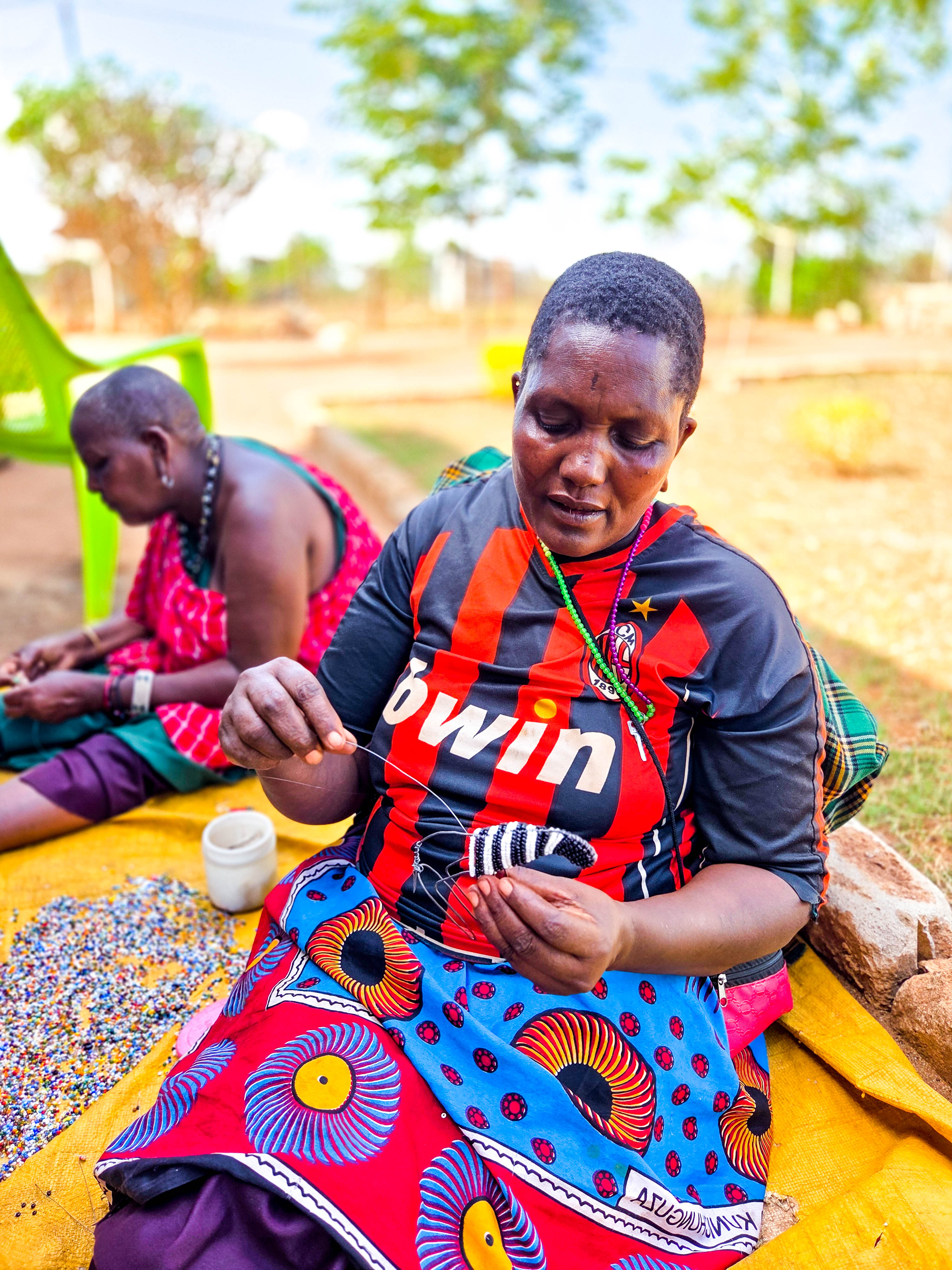
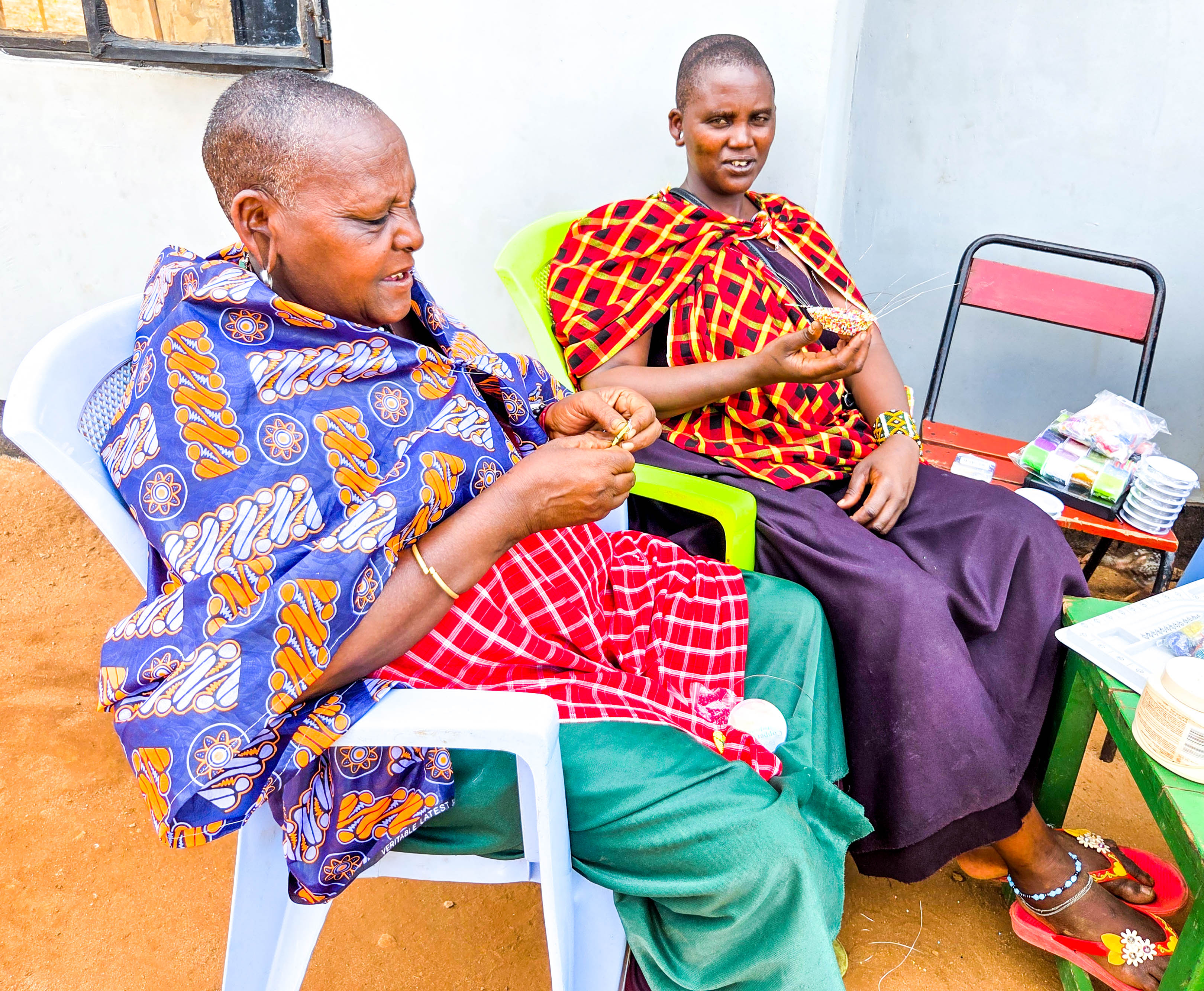
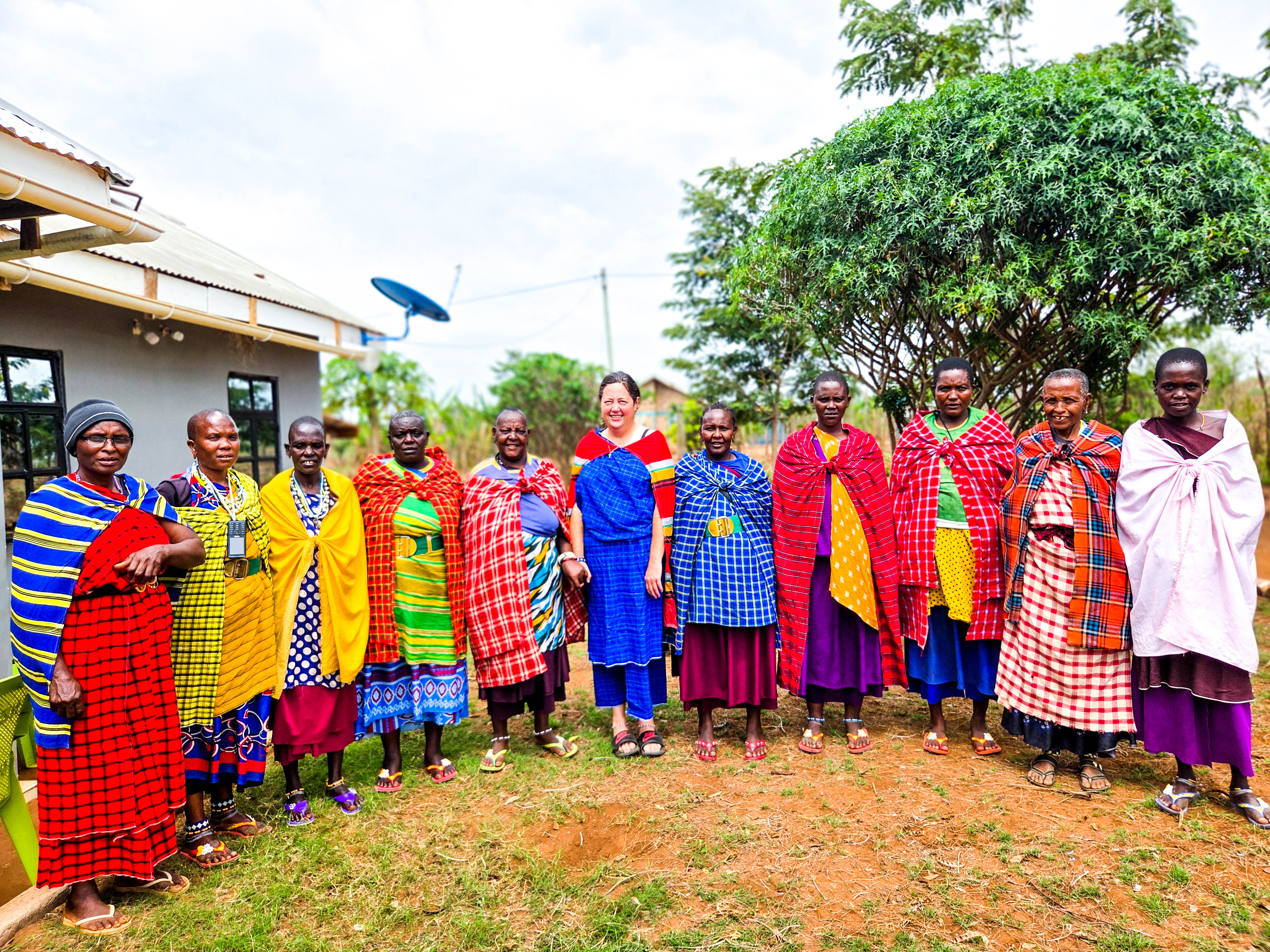
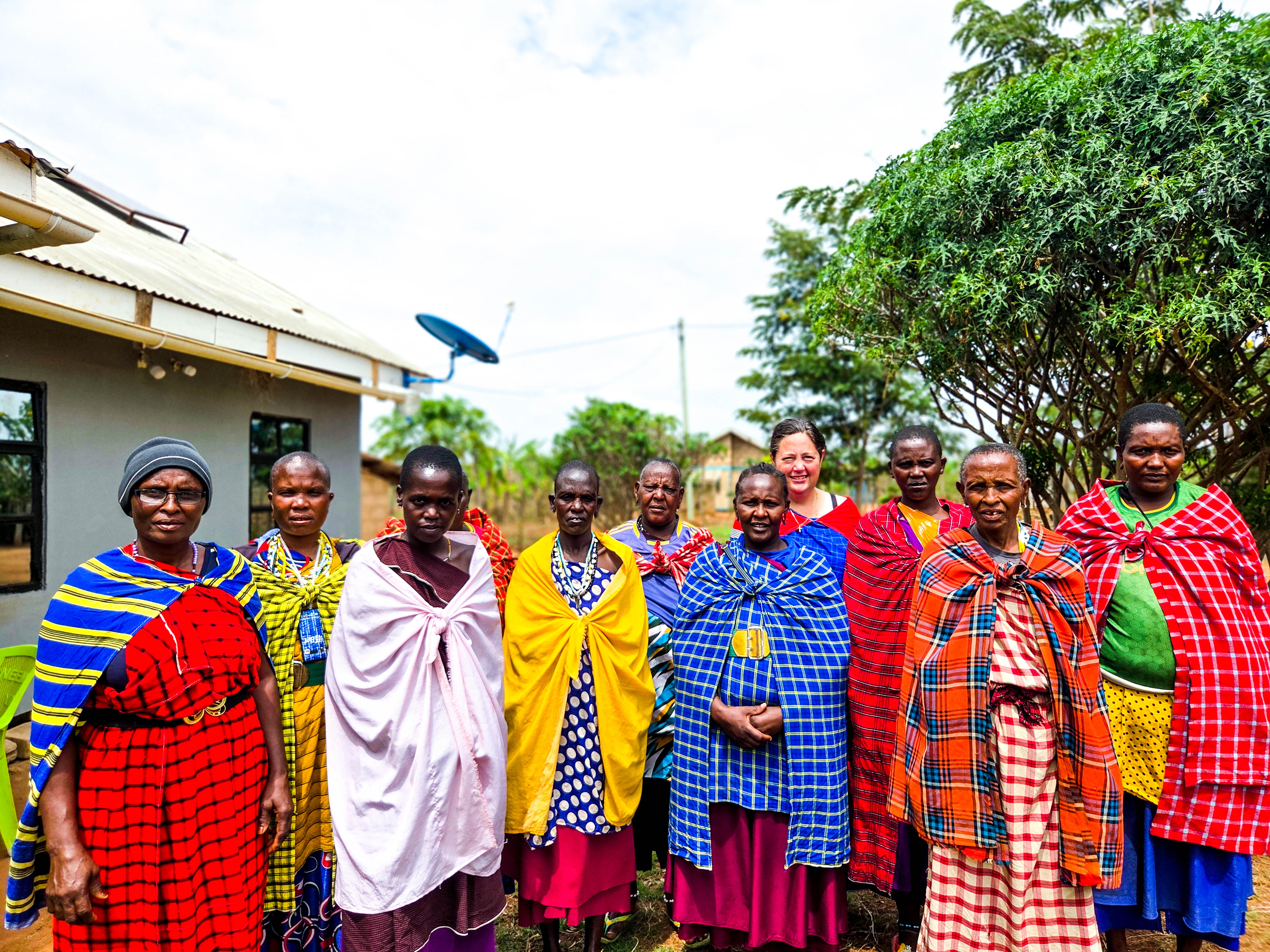
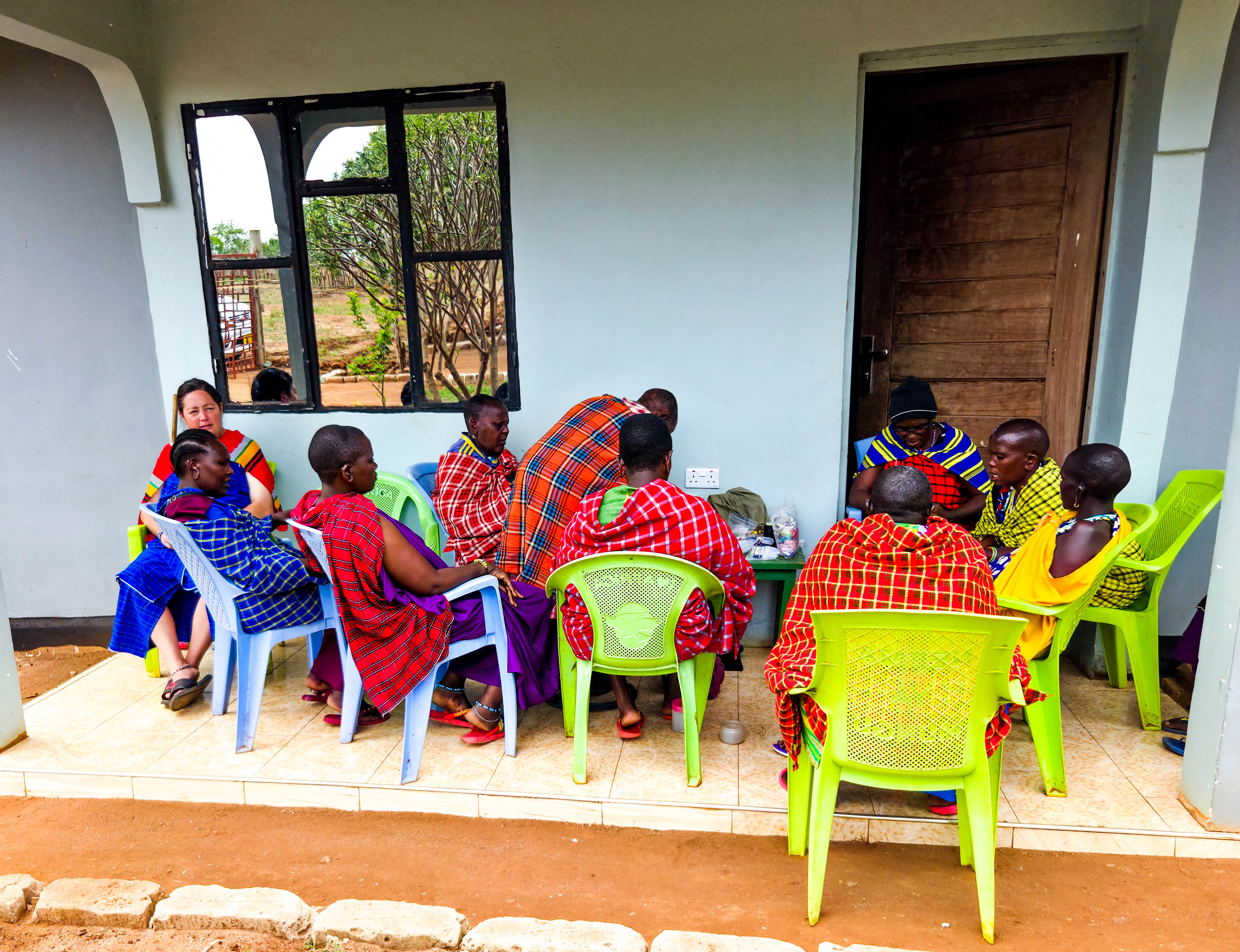
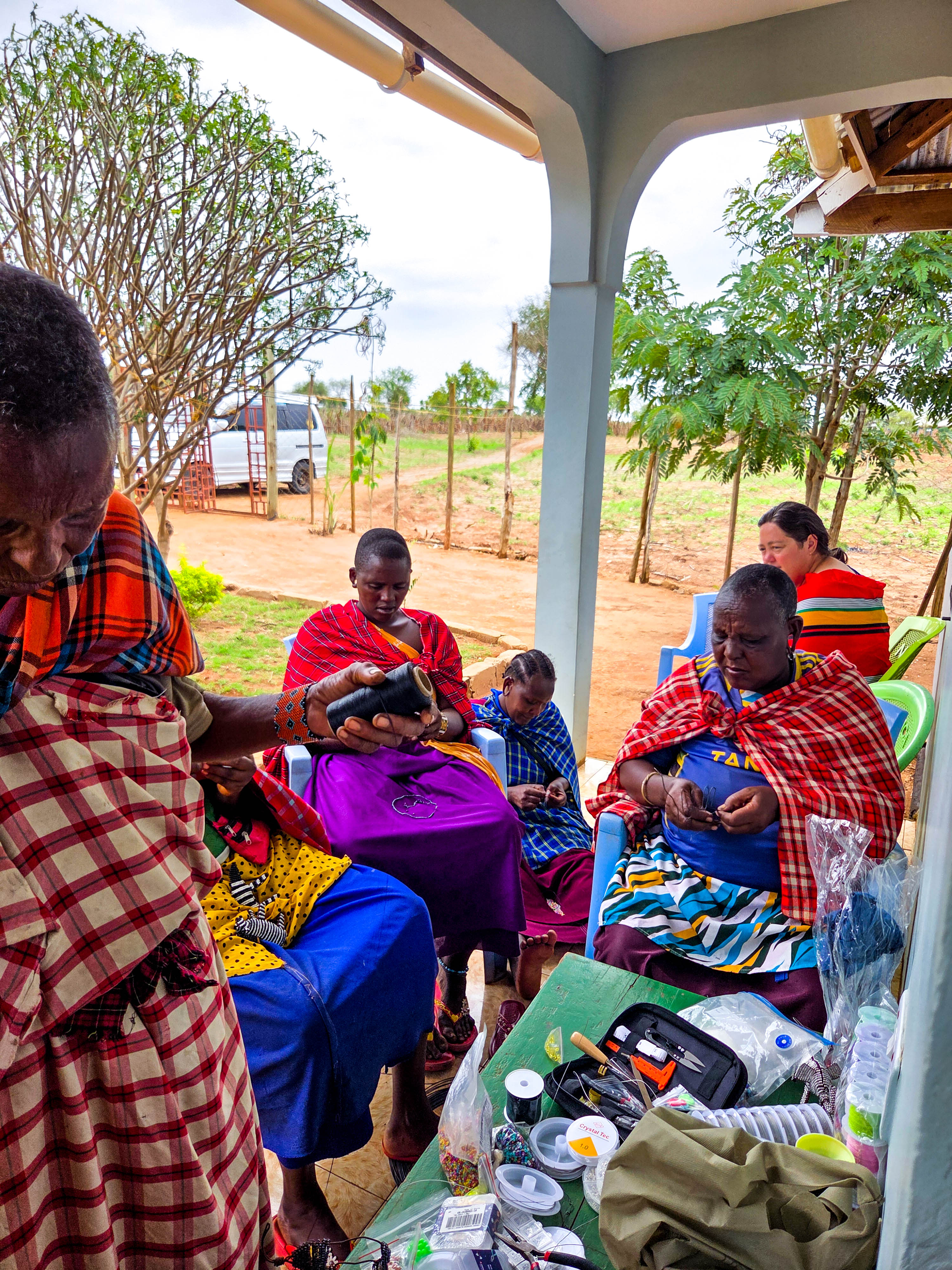
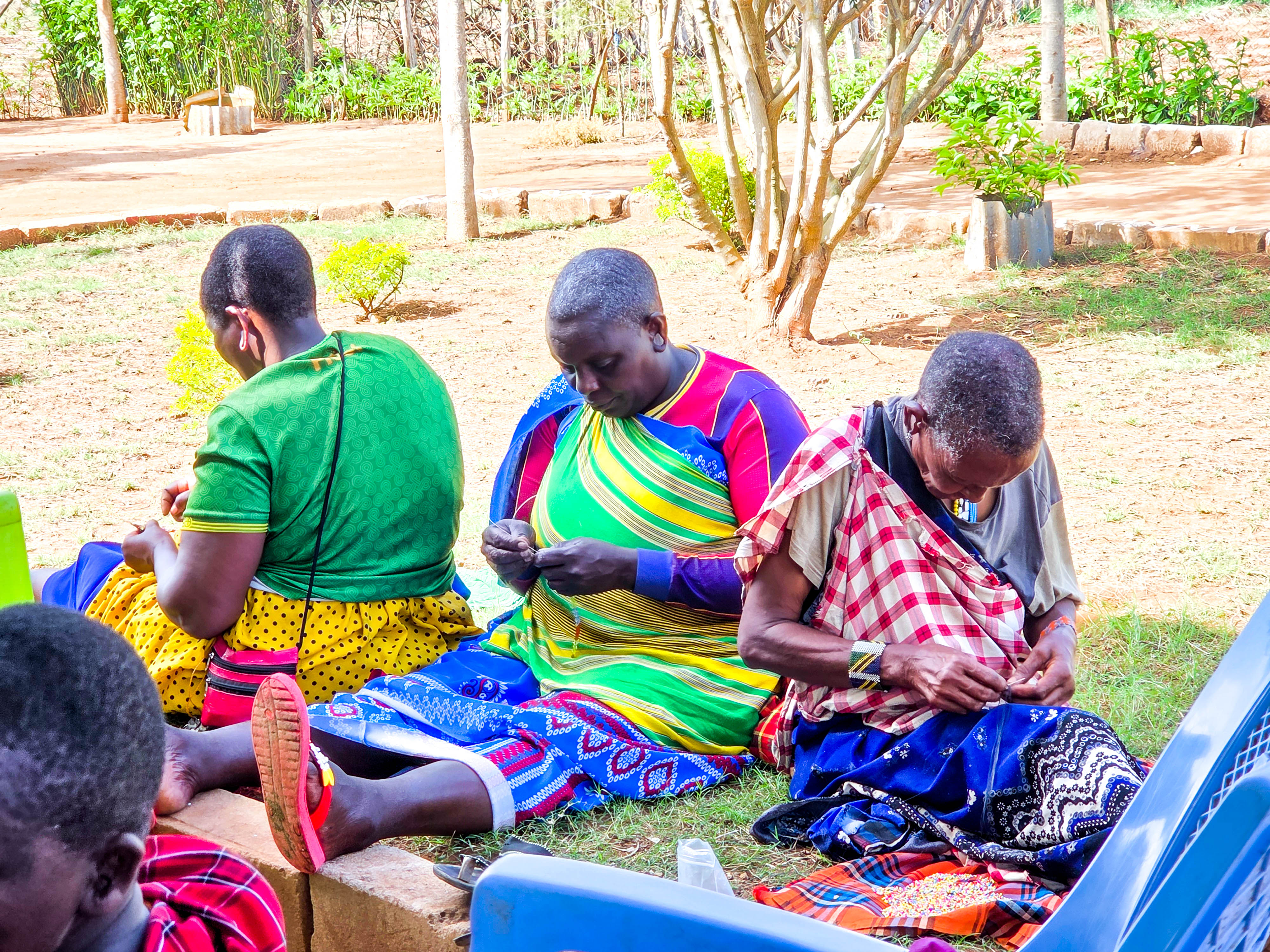
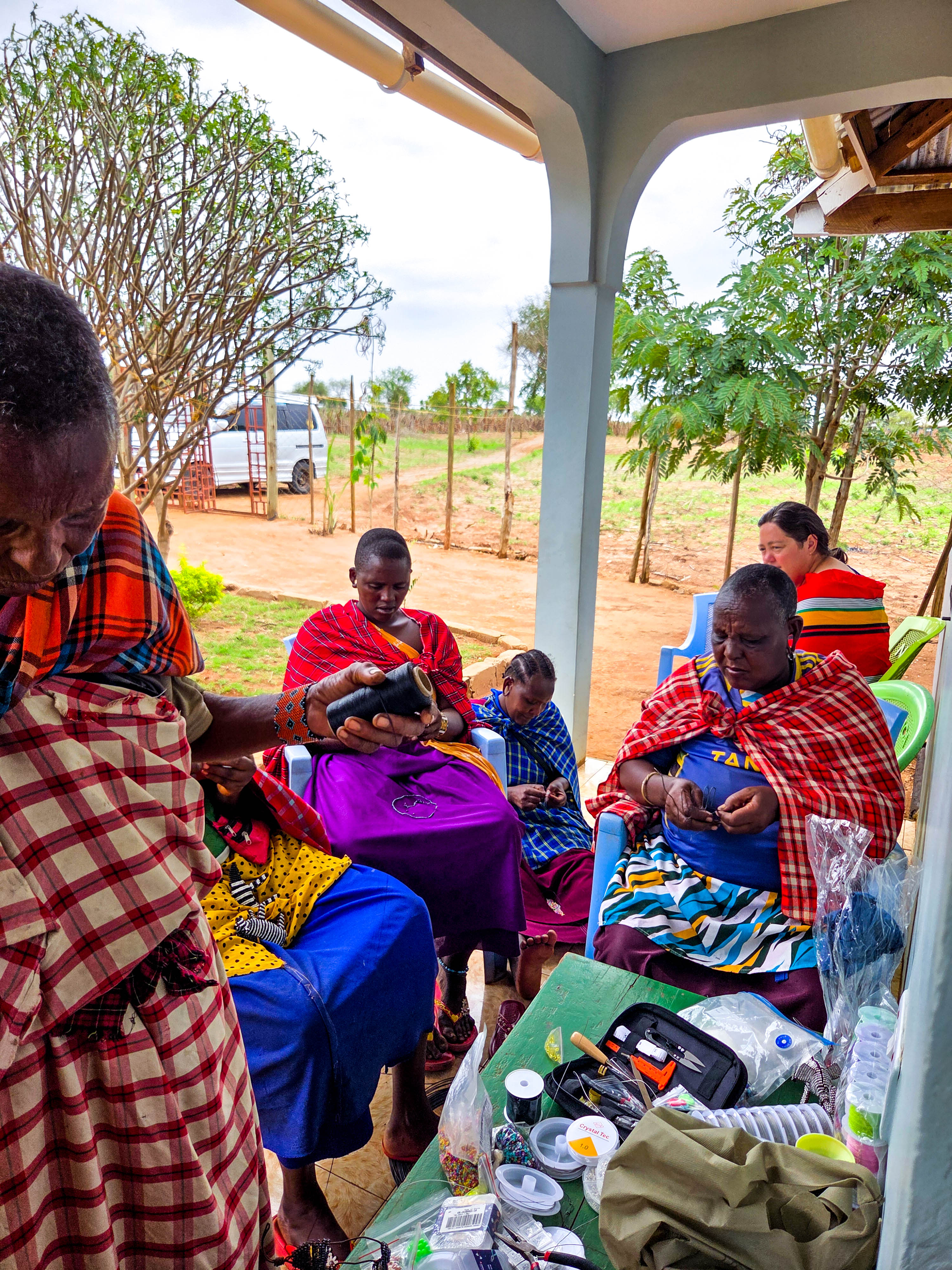
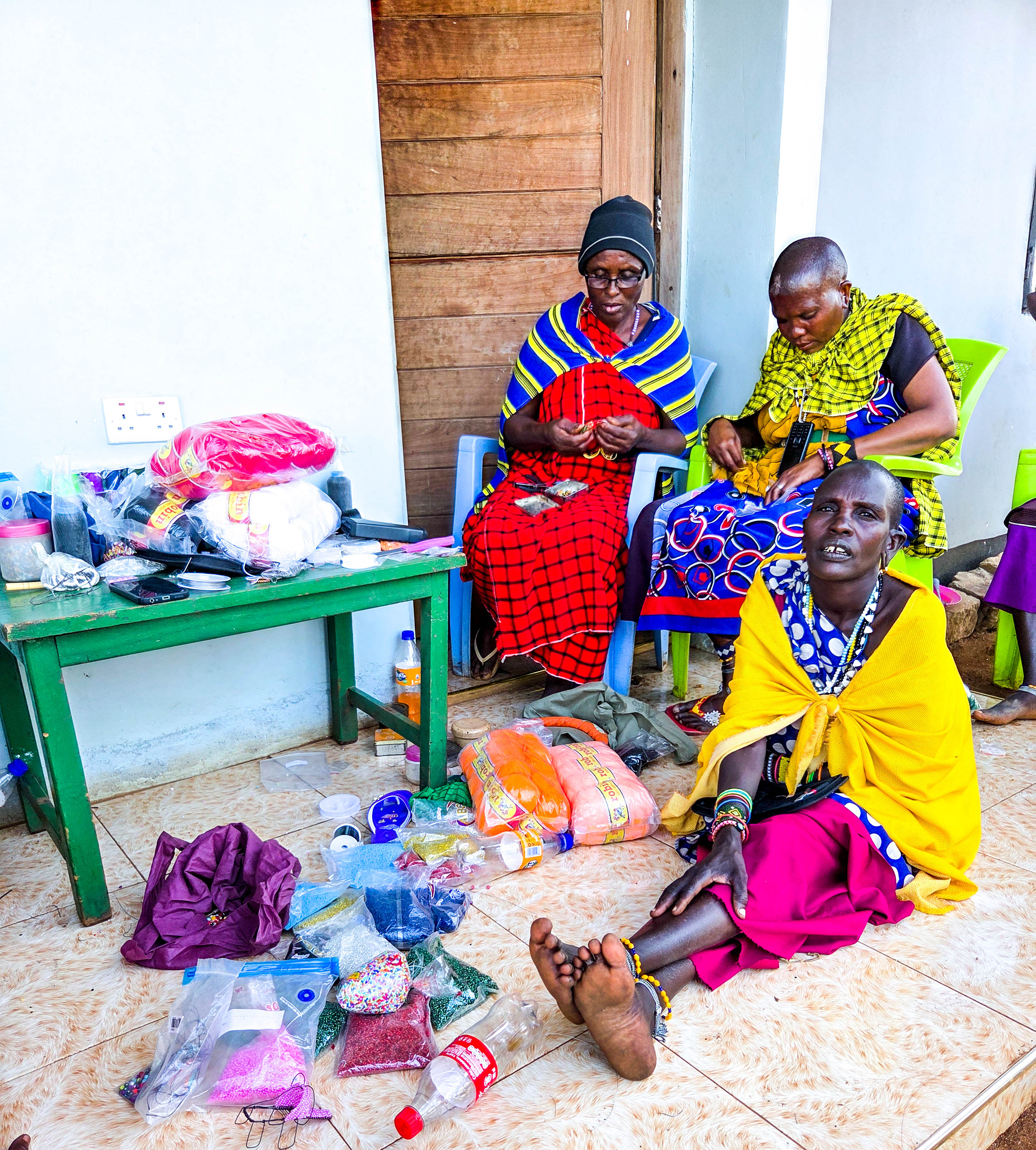
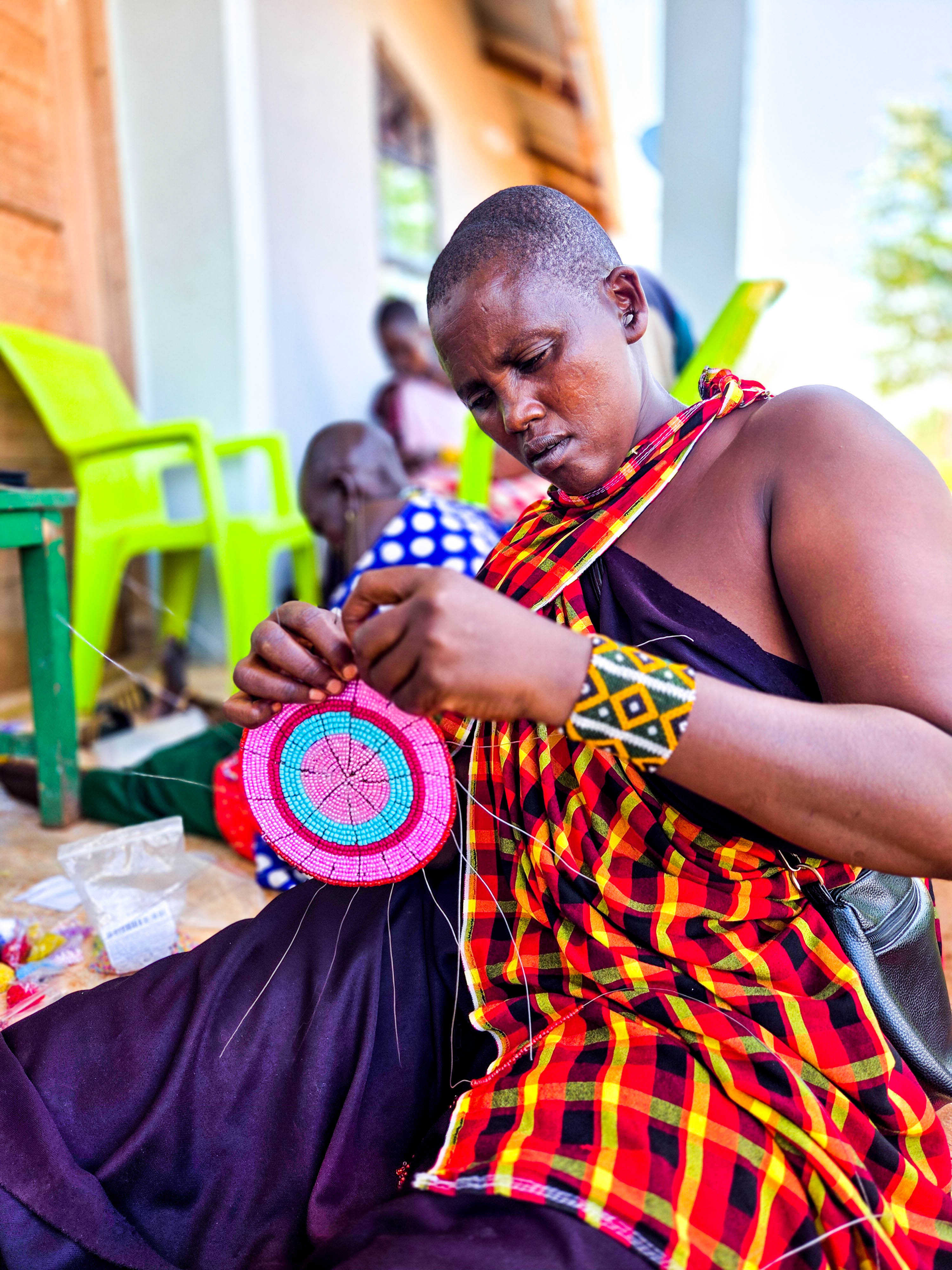
During the pilot phase in January 2026, REMO worked with ten women in Msomera to strengthen beadwork skills rooted in Maasai cultural heritage. The training demonstrated strong motivation, high engagement, and clear economic potential. However, it also highlighted structural barriers — including limited access to materials, lack of collective organisation, and challenges in reaching markets — that cannot be addressed through training alone.
Phase 2 responds directly to these realities by supporting women to organise, collaborate, and move toward a more stable and independent economic model.
Planned Activities: From Training to Cooperative
Phase 2 will focus on the planned establishment of the Msomera Beadwork Cooperative, starting around May 2026. This phase has been designed to consolidate the gains of the pilot phase while carefully expanding its scope.
Key elements of this phase include:
-
Supporting the formal formation of the Msomera Beadwork Cooperative
-
Strengthening collaboration and shared ownership among participants
-
Providing follow-up mentorship to reinforce skills developed during the pilot phase
-
Improving access to materials to enable more consistent and higher-quality production
-
Exploring market access through local outlets, gallery markets, REMO events, and potential tourist markets
-
Gradually including additional women, with pilot participants acting as peer mentors
Rather than scaling rapidly, this phase prioritises stability, learning, and long-term viability, ensuring that women are equipped not only with skills, but with the structure needed to sustain them.
Event Timeline
Phase 2 of the Women’s Economic Initiative is planned for May 2026. Activities will be implemented progressively, allowing flexibility based on funding availability and community needs. The phased approach ensures that each step — from organisation to production and market access — is carefully supported.
Looking Ahead
The Women’s Economic Initiative is not limited to beadwork or to Msomera alone. Msomera serves as the starting point — a community where the need is high, trust is established, and learning can inform future expansion. The long-term vision is to replicate this model in other communities, adapting it to different skills, contexts, and economic opportunities.
By investing in women’s economic agency, this initiative aims to create a ripple effect: stronger households, better educational outcomes for children, and communities that are more resilient and self-reliant.
How You Can Help
Support for Phase 2 directly contributes to building sustainable livelihoods for women and their families.
-
Donate: Financial contributions help make the transition from training to cooperative possible, supporting materials, mentorship, and organisational development.
-
Spread the Word: Sharing this initiative helps raise awareness and connect the project with partners, supporters, and future opportunities.
Together, we can help transform skills into stability — and opportunity into independence.
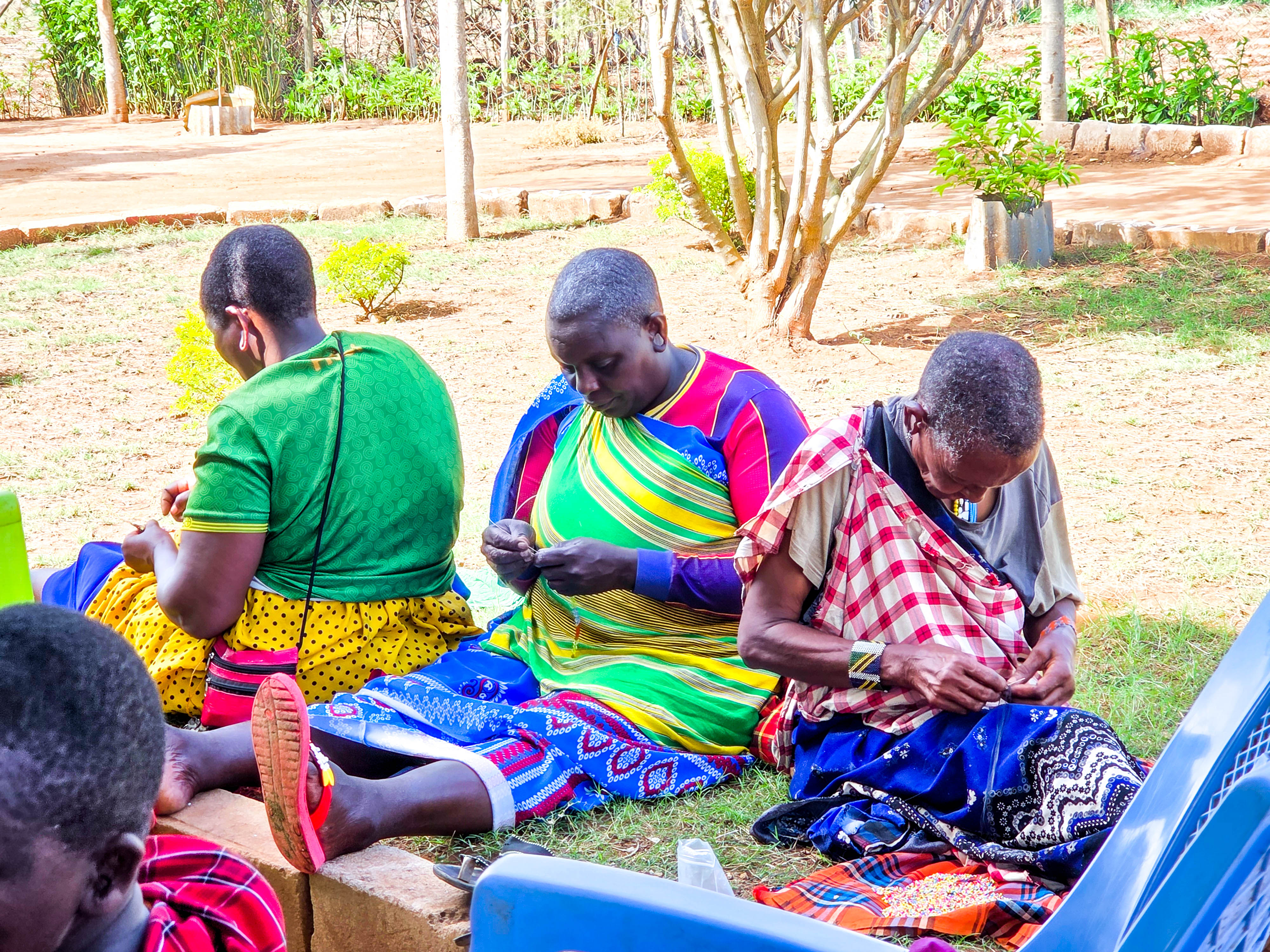
Below you'll find a few photos from phase 1 of this project. More documentation and media can be found under the project description ("Our Projects") and our YouTube channel.